
To modernise the look of your traditional bricks with a fresh and bright vibe, you might be considering painting your bricks with white paint or the more translucent whitewash.
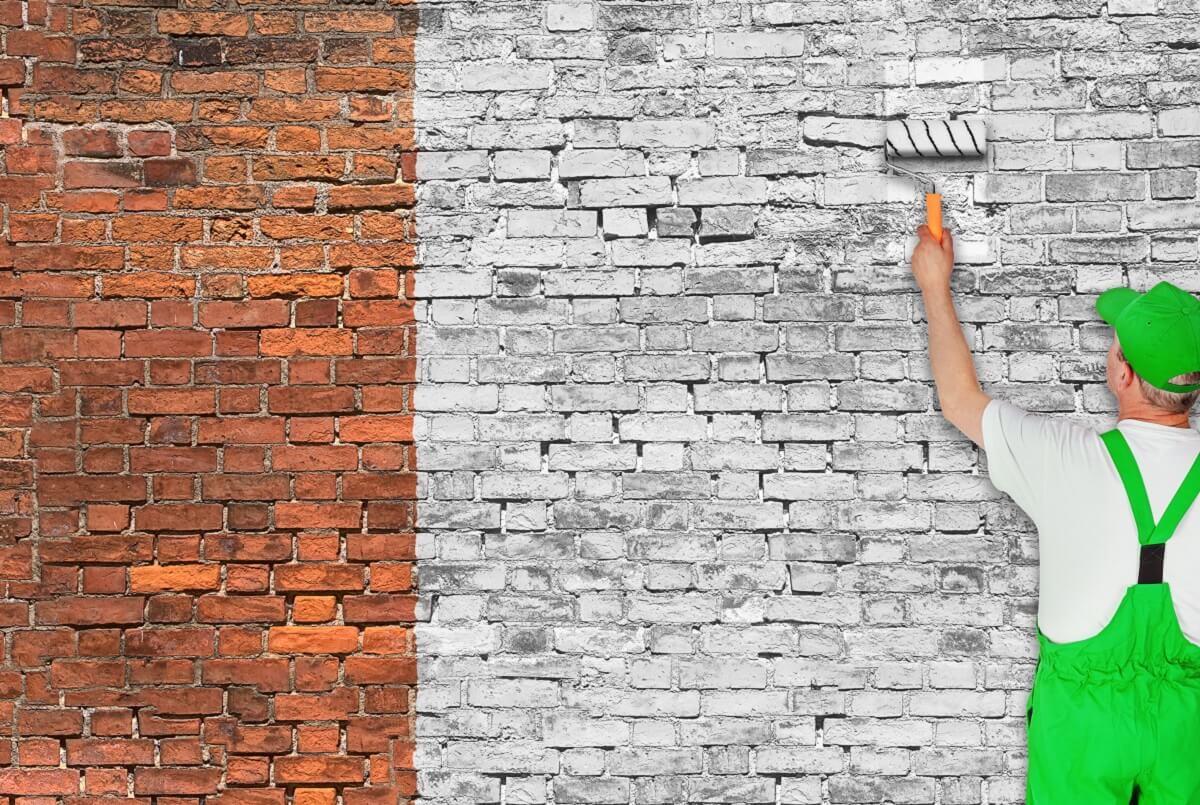
Many modern renovations feature painted bricks. In particular, whitewash has had a huge resurgence in popularity, and for good reason! When done right, it can look incredible. But before you get your heart set on the idea of whitewash brick – and especially DIY whitewash – there are a few things to consider first.
Whitewash Vs Paint – the pros and cons
There is a vast difference between painting bricks white and painting bricks with whitewash. Achieving the perfect brick whitewash finish is more complex than it might seem. Getting the whitewash solution right can be a challenge for the inexperienced painter. A professional finish relies on the right mixture of lime salt and water, so if understanding the chemistry of your materials is not your strong point, proceed with caution!
Pros of whitewash bricks
- Lasts up to 20-30 years with little maintenance.
- Protects against moisture and pests.
- Protects from weather and increases the durability of the bricks.
- Unlikely to peel or chip.
- Maintains the natural texture and unique patterns of the bricks.
Cons of whitewash bricks
- Watery solution makes it difficult to paint with.
- Original brick colour is visible through the whitewash so may not be suitable if you hate the colour of the bricks or want to hide any imperfections.
- A completely even, uniform coverage is hard to achieve – so if a rustic style is not what you’re after, consider another option.
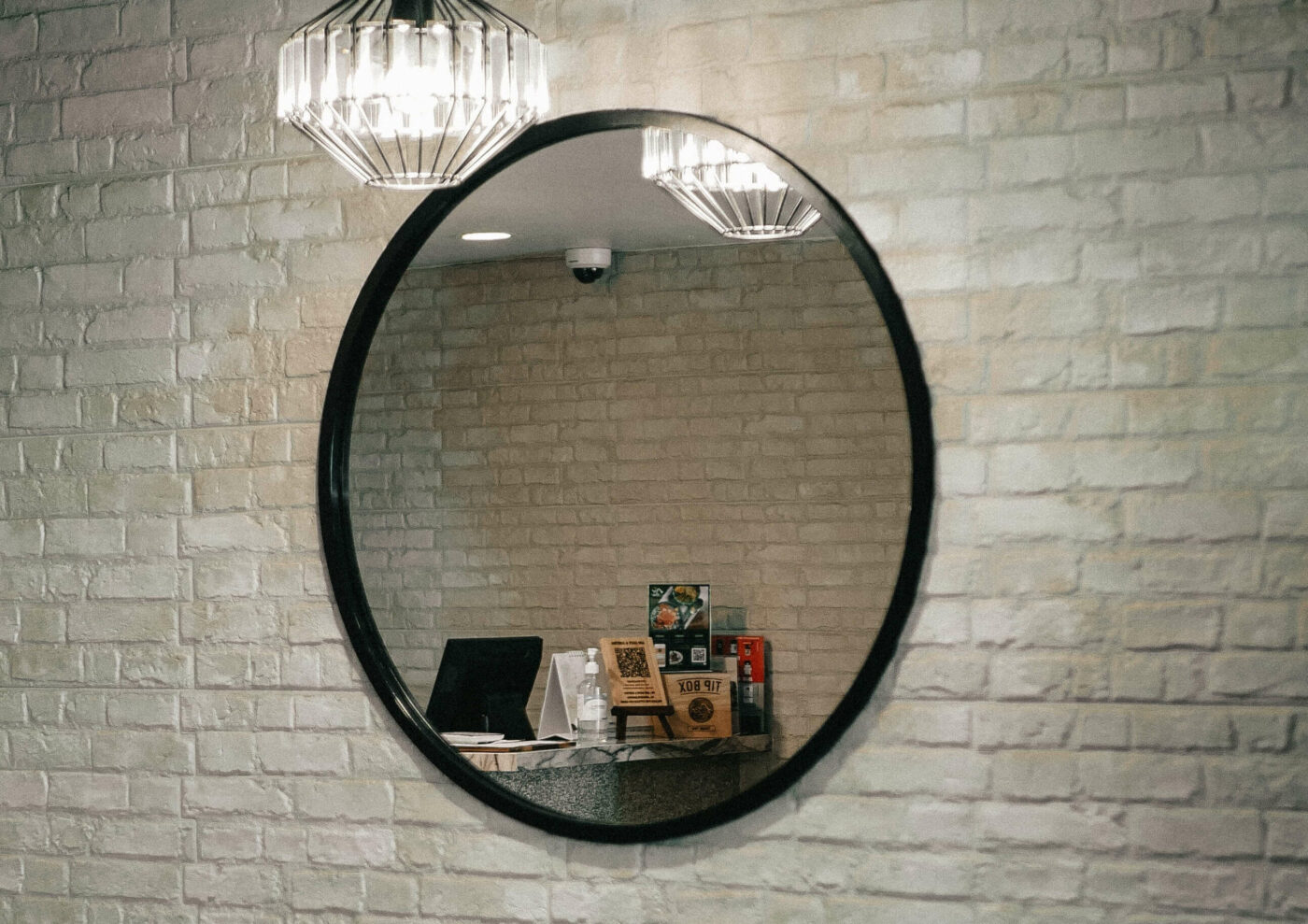
Pros of painted bricks
- Opaque coverage instantly updates ugly and dated bricks.
- Can be cheaper than whitewash brick.
- White latex paint gives a crisp, modern look and can disguise discoloured or damaged bricks.
Cons of painted bricks
- Requires consistent maintenance.
- Prone to fading, bubbling, and peeling.
- Painted brick is permanent – returning to the original brick if you change your mind is essentially impossible.
Is whitewash removable from brick?
Whitewash brick is not permanent, but removal requires a specific water and trisodium phosphate solution – and a whole lot of patience and persistence.
If getting your whitewash bricks right the first time is important to you, call in the professionals.
